Newsletter Subscribe
Enter your email address below and subscribe to our newsletter
Enter your email address below and subscribe to our newsletter
亚洲针织
 By白色
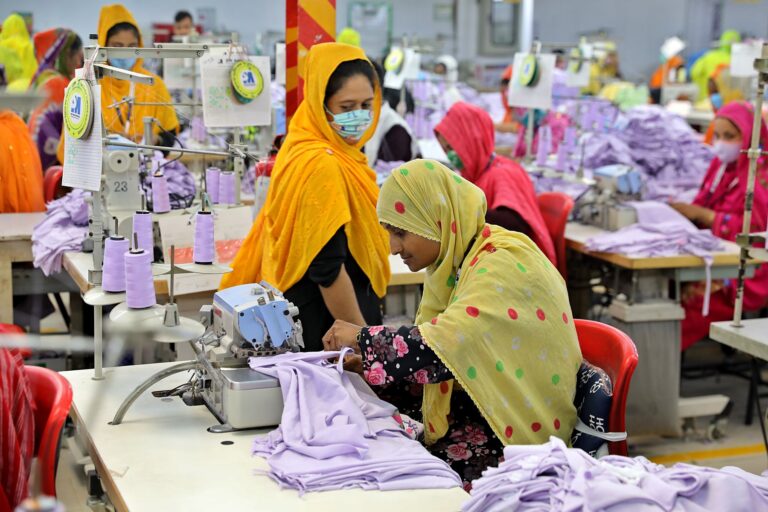
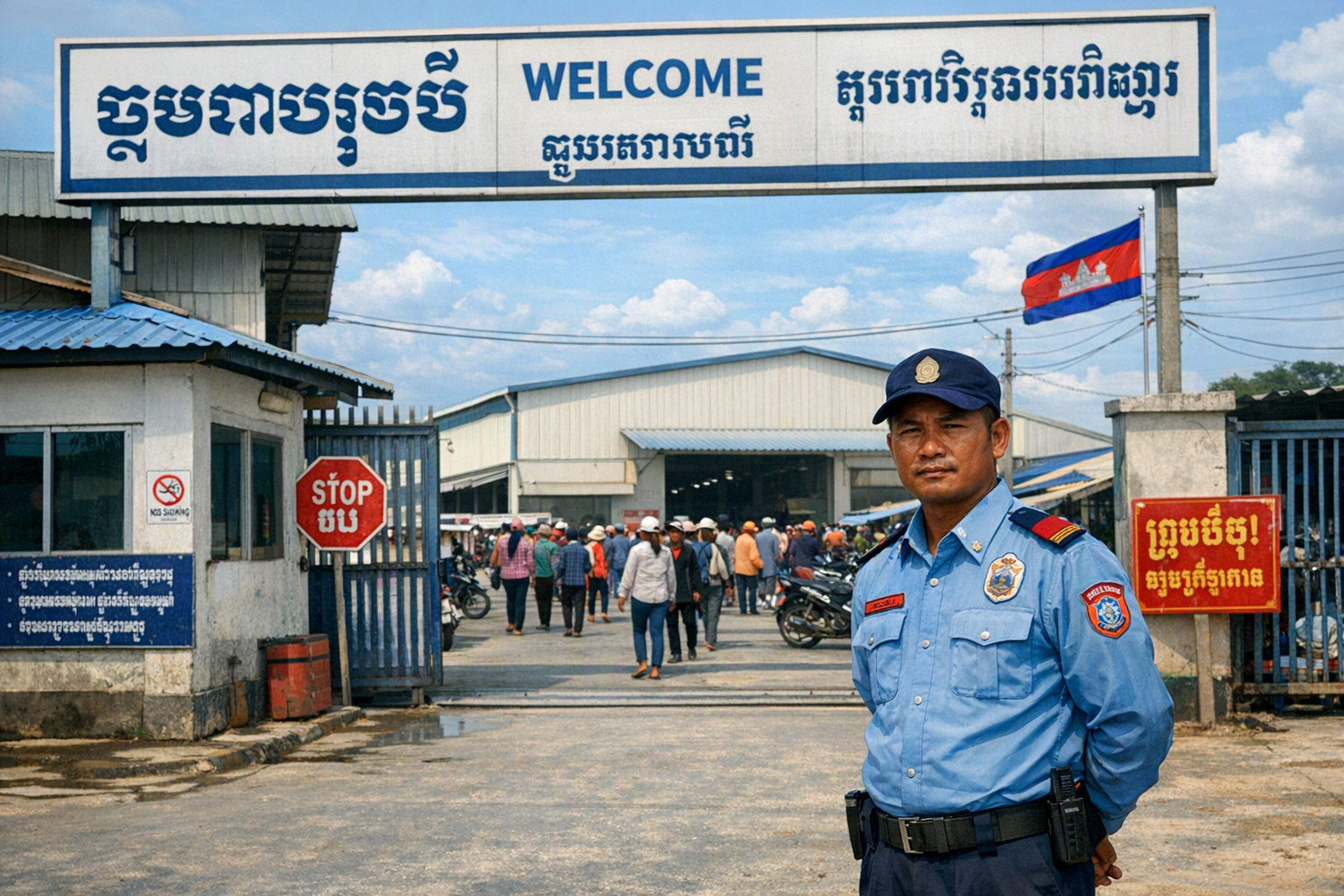
By白色Cambodia garment industry stands out as a key Southeast‑Asian destination for apparel OEM production. Its industrial layout is highly specialized, centred almost entirely on garment cutting and sewing rather than full textile manufacturing.
Cambodia suffers from critical gaps within its upstream textile supply chain, creating notable risks for sourcing partners.
To begin with, Cambodia has no local cotton output and lacks petrochemical infrastructure. Domestic facilities cannot produce chemical-fibre yarn, grey fabric or undertake large-scale printing and dyeing work. Furthermore, over 90 percent of fabrics, zippers, sewing threads, dyes and interlinings used by local garment factories are imported mainly from China and Vietnam.
The country cannot achieve raw-material self sufficiency. Its textile sector only covers downstream steps: cutting, sewing and overlocking under the typical processing-with-supplied-materials model. Even basic knit fabrics and denim grey goods must be sourced overseas. Supply-chain bargaining power therefore stays in the hands of fabric-exporting economies.
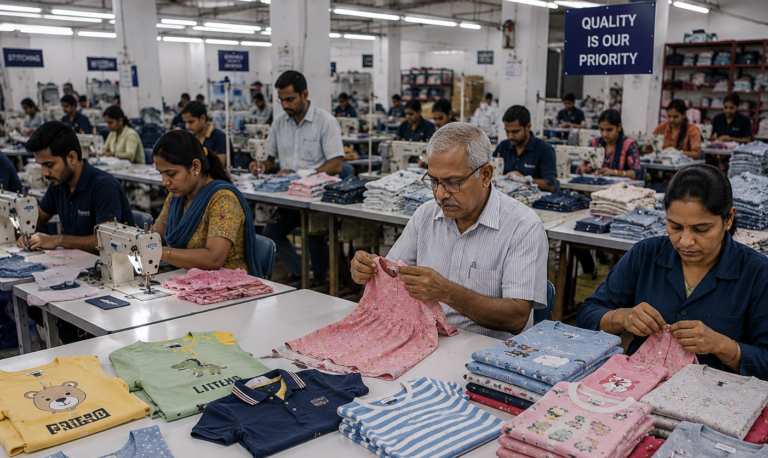
Meanwhile, Cambodia hosts more than 1,000 textile and apparel enterprises. Over 95 percent of these facilities focus purely on garment assembly. Spinning, printing and dyeing plants remain extremely rare.
Most factories cluster in Phnom Penh and Sihanoukville industrial zones, run by foreign investors primarily from China, South Korea and Malaysia. More than one-million local workers are employed in this sector, supported by relatively low-cost young labour. However, production mostly covers mass-market basics such as T-shirts, jeans, underwear and sports jackets. Hardly any home-grown local apparel brands exist. Almost all orders come from international clients across Europe, America, Japan and South Korea, based on low-barrier standardized production workflows.
In addition, the whole industry heavily leans on preferential trade arrangements. Once tariff policies shift overseas, the local garment sector faces severe instability risks. Frequent power outages and imperfect transport infrastructure also create extra production disruptions for overseas buyers.
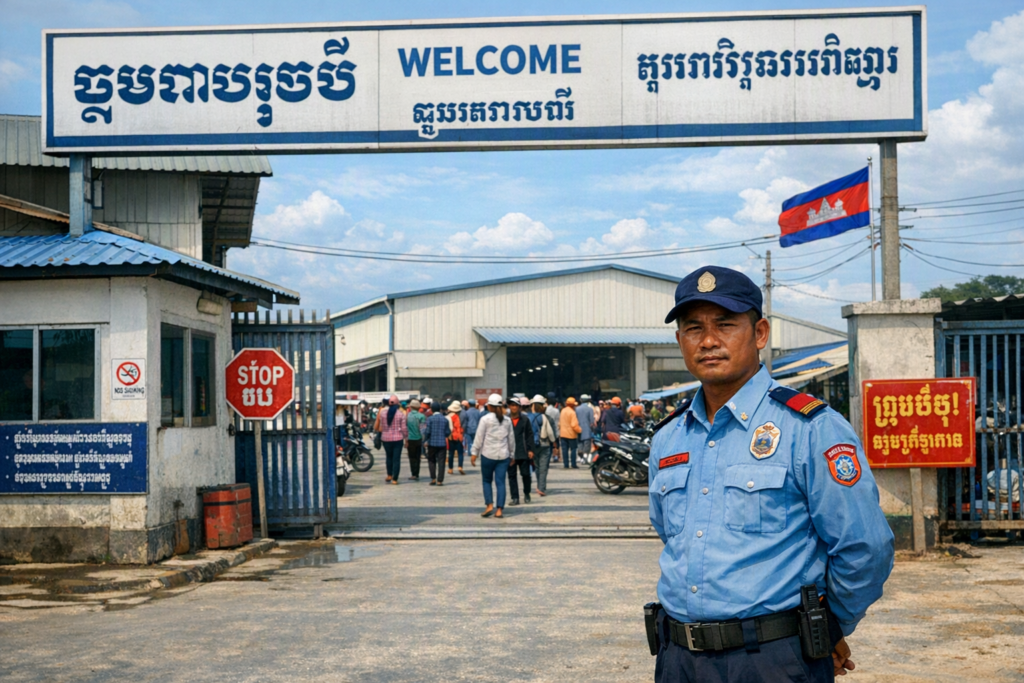
Even with structural drawbacks, the Cambodia garment industry delivers tangible advantages for global brands.
Moreover, Cambodia enjoys multiple generalized preferential trade schemes from EU and US markets. Garment exports to these destinations receive duty-free treatment, which is the core reason international brands move orders here. Compared with competitors without such privileges, Cambodian finished garments carry clear export-cost benefits.
The global supply-chain workflow stays straightforward: China and Vietnam supply fabrics and trims; Cambodia completes garment assembly; finished goods ship directly to end consumers in Europe and North America. Although Cambodia only gains slim labour-processing fees, the tariff edge keeps attracting steady overseas order inflows. Nearly 100 percent of textile output targets export markets, while domestic consumption remains negligible.
Besides tariff benefits, Cambodia offers abundant low-cost labour resources. The government provides incentive packages for foreign garment investors with relatively low barriers for setting-up new factories. Port and logistics infrastructure keeps improving to support large-volume garment export shipments.
When compared with Vietnam, Cambodia shares similar industrial characteristics: weak upstream supporting capacity, sewing-focused manufacturing built upon labour and tariff benefits, occupying the lower segment of global textile value chains.
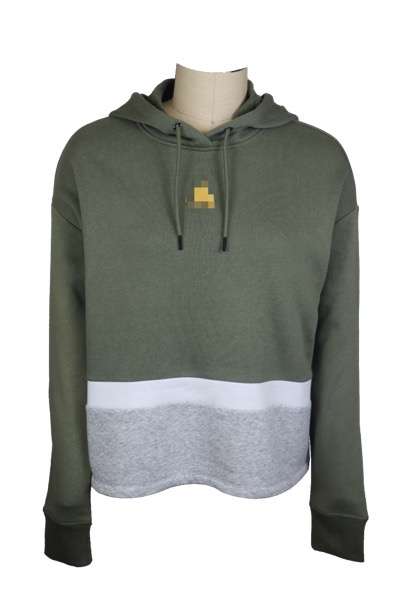
To sum up, **basic mass-volume apparel orders such as simple T-shirts and casual bottoms fit well for Cambodia sourcing**. Nevertheless, buyers should avoid placing high-complexity orders requiring local printing-dyeing, special fabric finishing or quick short-lead-time projects. Sourcing teams need to build stable pre-arrangements with fabric suppliers from China or Vietnam to offset local upstream shortages.
If you are seeking reliable OEM sewing resources with stable fabric supply chain support, check our **garment manufacturing factory page** to view our production capability and service scope.