Newsletter Subscribe
Enter your email address below and subscribe to our newsletter
Enter your email address below and subscribe to our newsletter
Asian Knit
 By白色
By白色
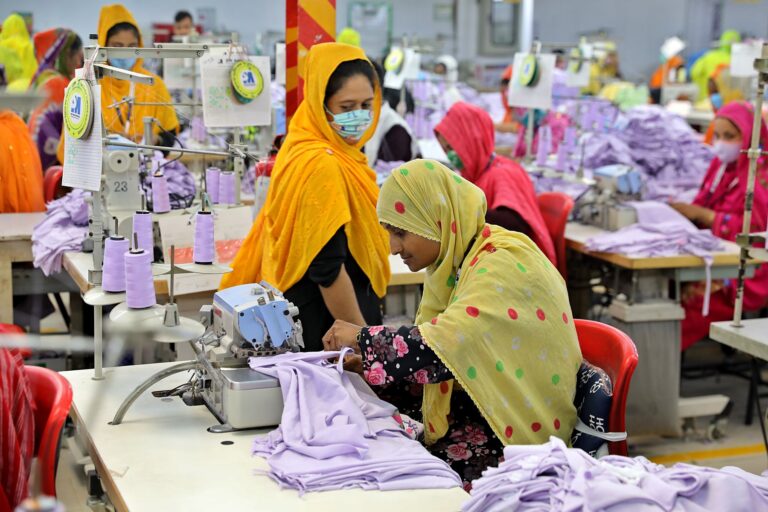
Sri Lanka apparel factory production, Sri Lanka apparel exports 2026 market diversification analysis
First of all, Sri Lanka’s apparel shipments dropped 4.72% year-on-year in April 2026, hitting $328.15 million versus $344.40 million in April 2025. Traditional core markets all recorded negative growth: UK exports down 16.91%, EU down 8.78% and US down 3.46%. On the bright side, shipments to emerging regions rose 12.61%, proving market diversification can offset weak Western demand.
Meanwhile, the downturn continued across the first four months of 2026. Total apparel exports slid 7.47% to $1.53 billion, dragged by shrinking orders from Europe and the United States. The Joint Apparel Association Forum Sri Lanka (JAAF) stated weak global consumption is the main drag on export volumes.
Furthermore, JAAF pointed out four key bottlenecks restricting sector growth:
In addition, JAAF remains confident about the apparel sector’s long-term competitiveness and released targeted improvement plans.
To break through the $5 billion annual export threshold, Sri Lanka needs systematic national support:
To sum up, the apparel manufacturing sector is still Sri Lanka’s largest source of foreign currency earnings. Though short-term export figures declined in early 2026, industrial transformation and diversified markets will drive steady recovery. The whole country’s export economy relies heavily on the rebound and sustainable growth of local garment production.