Newsletter Subscribe
Enter your email address below and subscribe to our newsletter
Enter your email address below and subscribe to our newsletter
Asian Knit
 By白色
By白色
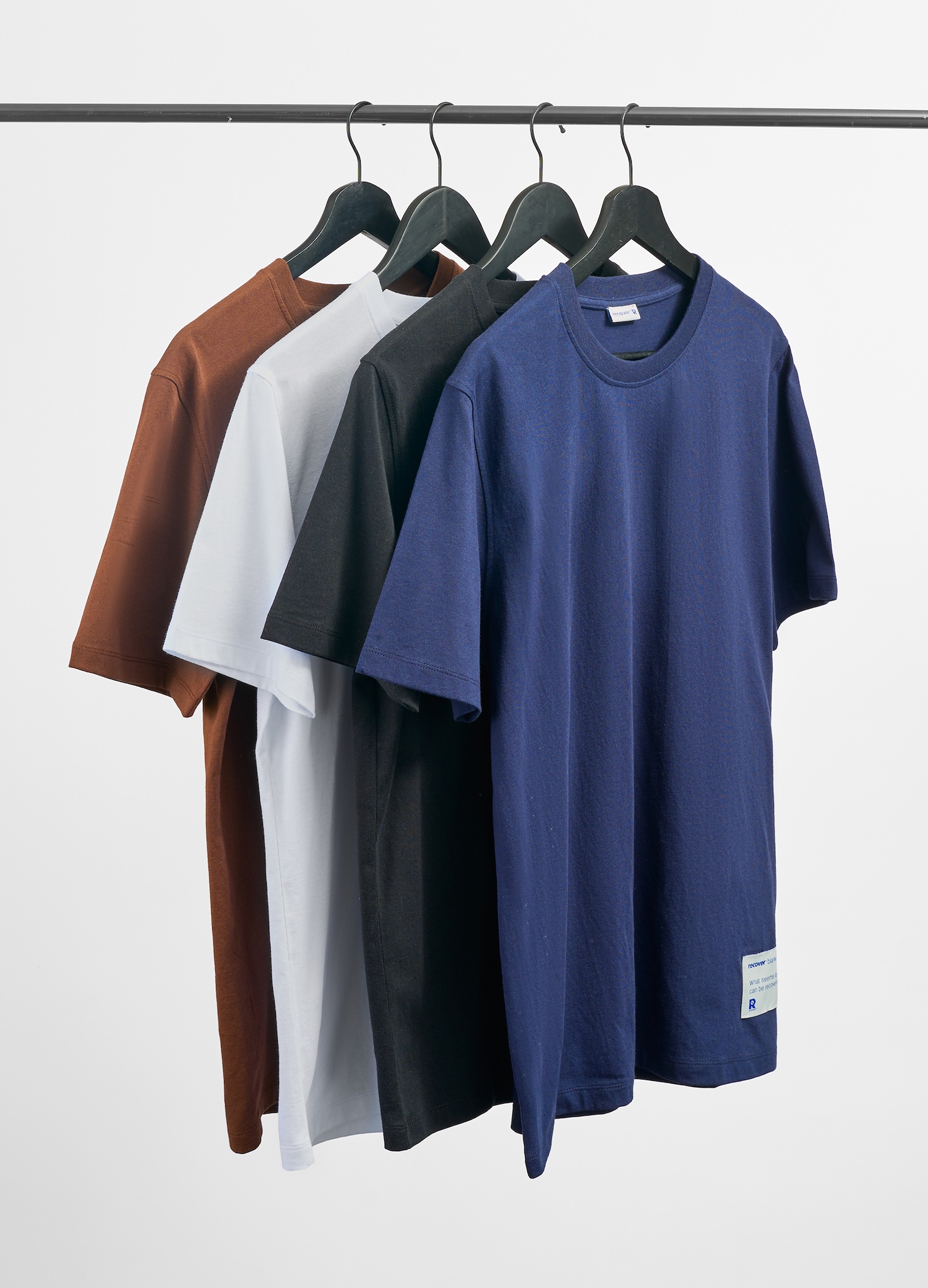
Garment factory mass production, apparel supply chain cross-border peak season cross-border apparel sourcing
First of all, the second half of the year arrives. Cross-border sellers and apparel foreign trade brands face fierce competition before major Western holidays, including Black Friday, Christmas and New Year. The apparel supply chain cross-border peak season largely determines merchants’ full-year profit performance. Many sellers gain huge order volume, while others suffer delayed delivery, product returns and negative customer feedback. The core difference is stable, controllable garment supply chain support.
Meanwhile, order backlogs and stockouts become the most common crisis in holiday sales.
Many garment factories promise fast delivery but source fabrics temporarily without stock preparation. Hengyi International cooperates with stable fabric suppliers for 20 years. It keeps mainstream woven and knit fabrics in stock and completes samples rapidly for trend trial orders.
Most big factories lock all production time slots in September and October. Hengyi arranges flexible assembly lines for men’s, women’s and kids’ clothing. The team adjusts schedules without lowering quality and ensures all goods arrive at overseas warehouses before sales start.
Furthermore, many manufacturers relax inspection standards to speed up peak delivery. Loose quality control causes stitching defects, color difference and fabric shrinkage, triggering high return rates. Return freight and refund losses greatly eat into profit, plus long-term brand damage. Hengyi adopts seven fixed inspection standards. It checks fabric elasticity, stitching tightness and washing stability separately for knit and woven clothes. The standardized QC system prevents mass defective goods and safeguards seller brand credibility.
In addition, apparel market demand rises and falls regularly. Merchants expand market share in hot peak months and upgrade product competitiveness in slow seasons. Hengyi follows long-term operation logic: reserve resources in low seasons and expand business opportunities in peak periods. Sellers should cooperate with multiple qualified manufacturers, instead of relying on one unstable small factory. Diversified suppliers cut supply risks.
To sum up, apparel supply chain cross-border peak season management relies on preparation, speed and quality control. Year-end holiday competition has started globally. Hengyi provides OEM bulk manufacturing and ODM trend design services for cross-border apparel clients. It acts as a reliable foreign trade supplier, letting sellers focus on marketing without supply chain troubles.