Newsletter Subscribe
Enter your email address below and subscribe to our newsletter
Enter your email address below and subscribe to our newsletter
亚洲针织
 By白色
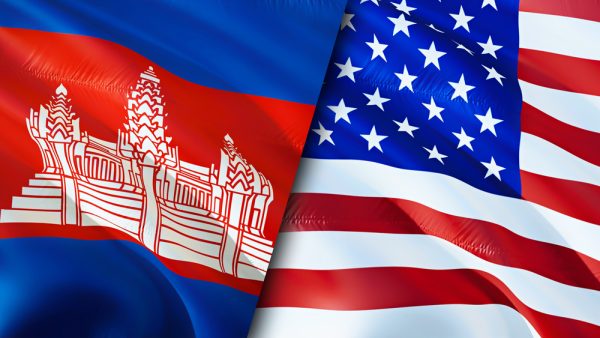
By白色Cambodia officially gets access to a three-year US tariff relief program for knit apparel exports. Many Cambodia knit manufacturers re-arrange procurement plans under this garment trade tariff rule. The policy covers knitted garments made in Cambodia, allowing eligible goods to enter the US market with zero customs duties.
The government signed the trade deal to expand overseas sales for local textile plants. Authorities confirm the policy timeline lasts three full years, with official rules released to all garment factories in the country. Local business bureaus share detailed qualification standards for factories to enjoy the preferential duty policy.
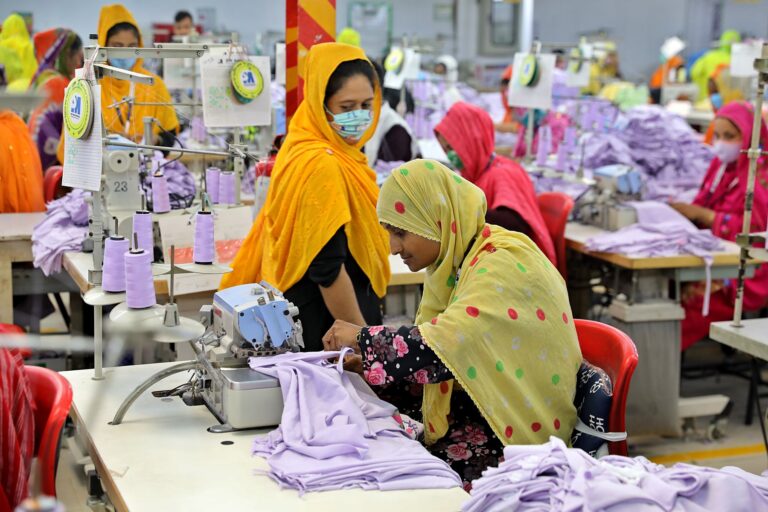
Most local knit factories adjust global sourcing to meet US entry standards. Factories need to match raw material requirements listed in the US trade clause. Many plant managers face higher material screening costs while chasing duty exemptions.
This round of policy adjustment forces brands to reselect fabric suppliers. Some factories shift orders to compliant knit material vendors to avoid extra customs fees. Logistics teams also update shipping documents to fit new customs inspection demands.
Qualified manufacturers cut cross-border shipping costs greatly with duty-free treatment. Lower tax expenses help Cambodia knit products become more competitive against other Asian textile goods. Factory owners can set more flexible pricing for bulk US orders.
Industry insiders mention stable profits during the three-year window. More overseas buyers place bulk knitwear orders after the garment trade tariff benefit takes effect. Small and medium knitting workshops also gain chances to develop long-term US client cooperation.
Textile associations remind factories to follow policy updates all the time. US customs may adjust accessory rules during the valid period of the quota. Knit enterprises need to keep paperwork complete to retain tariff preferences.
More local producers plan to expand production lines for US-oriented knitwear. The trade policy drives investment in Cambodia’s whole textile industrial chain. Sourcing teams build more stable long-term cooperation with certified fabric suppliers.