Newsletter Subscribe
Enter your email address below and subscribe to our newsletter
Enter your email address below and subscribe to our newsletter
Asian Knit
 By白色
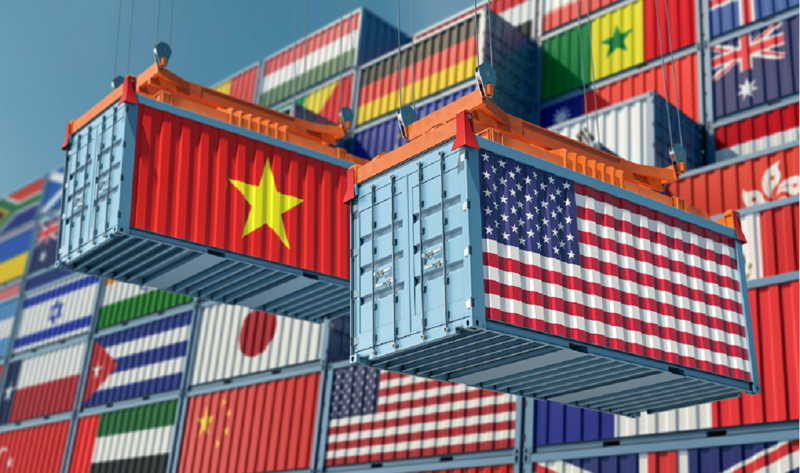
By白色Vietnam now faces steeper US tariffs than competing manufacturing nations. This policy weakens its clothing export competitiveness, as the country ranks top among apparel suppliers to America and loses access to duty-reduction trade mechanisms.
Furthermore, the official rule was published in the Federal Register. It directly disrupts global supply chains of famous apparel brands with large-scale production bases in Vietnam. Key investors include Nike, Gap, Ralph Lauren, and Under Armour. Up to now, none of these brands have released official statements regarding the new tariff rules.
In addition, the new 10% and 12.5% tariffs will take effect this Friday. The policy covers 60 global trading partners, triggered by US accusations of insufficient anti-forced labor enforcement.
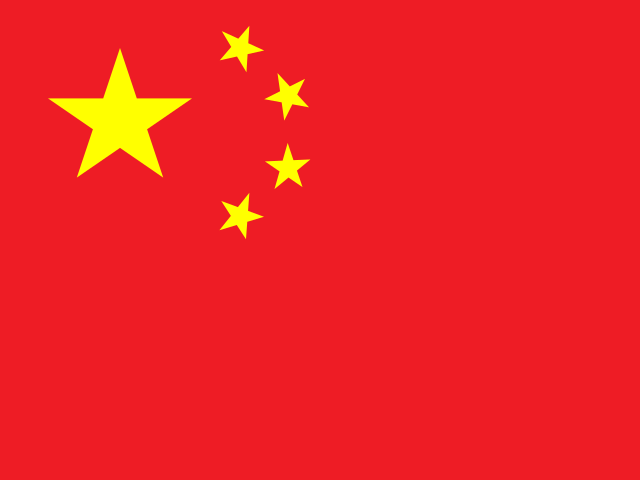
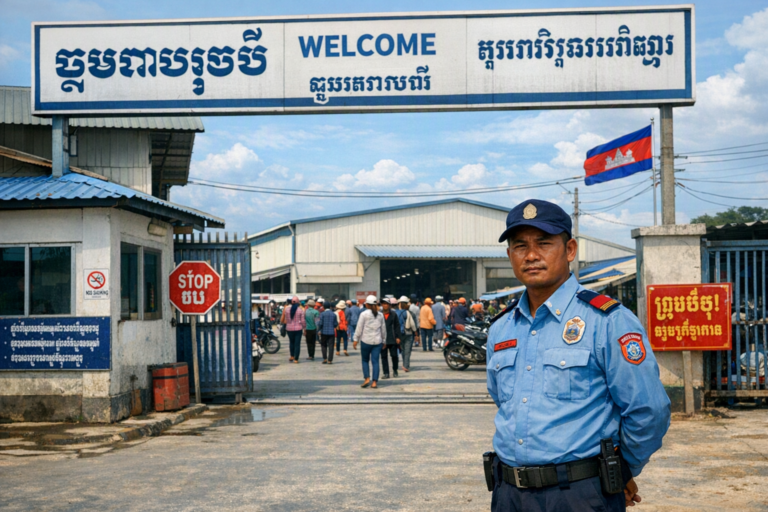
Vietnam receives a 12.5% tariff rate, matching China’s level. By contrast, competitors with signed US trade agreements only face a 10% duty. These markets include Bangladesh, Cambodia, Indonesia and Malaysia.
Meanwhile, the new policy replaces temporary 10% tariffs set to expire this week. Previously, the US Supreme Court ruled the old reciprocal tariff system invalid.
Last year, Vietnam overtook China to become the largest clothing exporter to the United States. US trade statistics also confirm Vietnam maintains one of the biggest trade surpluses with Washington.
In short, Vietnam’s textile and garment industry now bears two overlapping challenges.
First, competition from other Southeast Asian apparel manufacturers keeps growing.
Second, US tariff costs keep rising for Vietnamese shipments.
What makes the situation tougher is that rival countries with formal US trade deals qualify for partial tariff exemptions. These exemptions lower their overall export costs to the US market and widen Vietnam’s competitive disadvantage.
These tariff changes reshape long-term export strategies for Southeast Asian garment manufacturers.