Newsletter Subscribe
Enter your email address below and subscribe to our newsletter
Enter your email address below and subscribe to our newsletter
Asian Knit
 By白色
By白色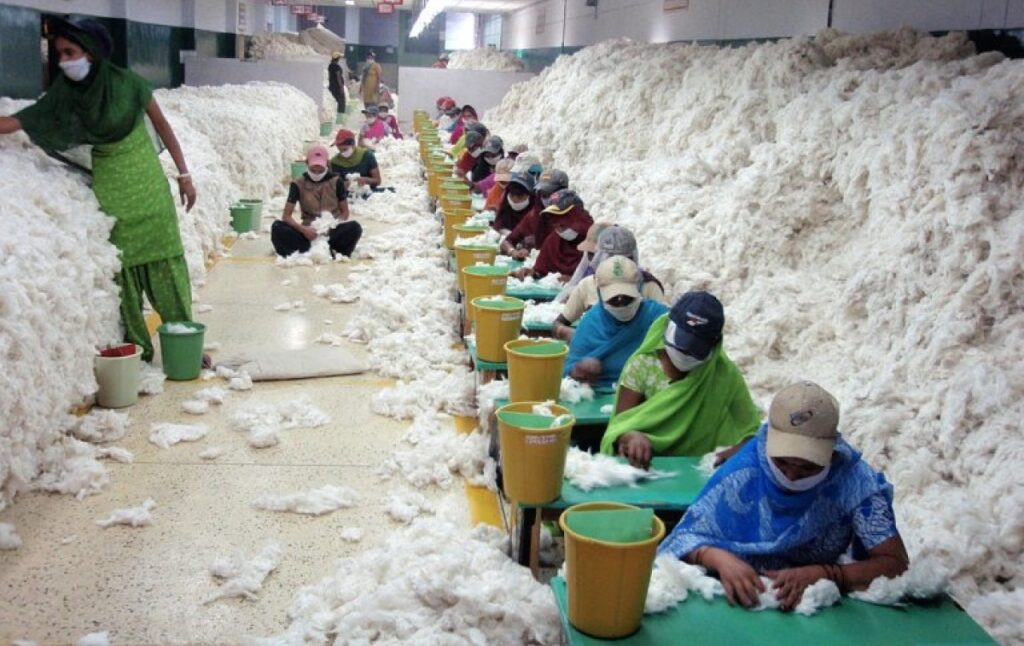
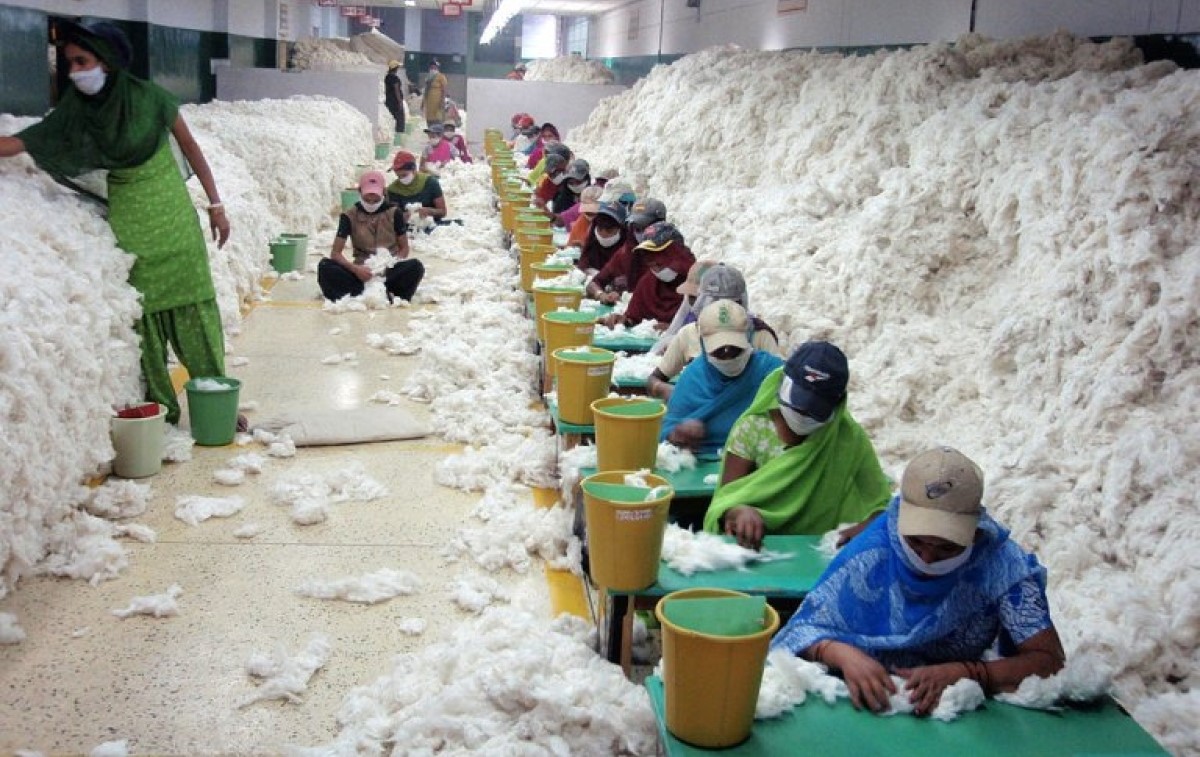
Indian cotton textile mill, showing rising India cotton import demand and global fiber supply trends
First of all, India’s demand for imported cotton keeps growing, driven by cost and quality requirements for textile production. As major cotton and textile producer, India relies on premium imported cotton for fine count yarn, home textiles and export orders. Its key trade partners include the US, EU and UK, whose purchasing policies directly affect domestic cotton consumption.
Meanwhile, India only imports around 9% of its total cotton consumption, much lower than China’s 16–17% import share. Like Vietnam, Bangladesh and Turkey, Indian spinners need high-grade foreign cotton to lift finished fabric value. US, Brazil and Australia gain more export chances by supplying cost-competitive quality cotton to India.
Furthermore, local cotton output can barely satisfy full industrial demand. Bad weather, insect damage and delayed monsoon planting easily create supply shortages and push cotton prices up. Even with self-sufficient output volume, mills still import cotton to boost spinning profits and product quality.
In addition, US court rulings on IEEPA boosted China’s textile exports starting from February. China then turned to India for cotton yarn imports, tightening local cotton supply and lifting raw fiber prices. Global textile players must track India’s cotton market closely for stable supply chain planning.