Newsletter Subscribe
Enter your email address below and subscribe to our newsletter
Enter your email address below and subscribe to our newsletter
亚洲针织
 By白色
By白色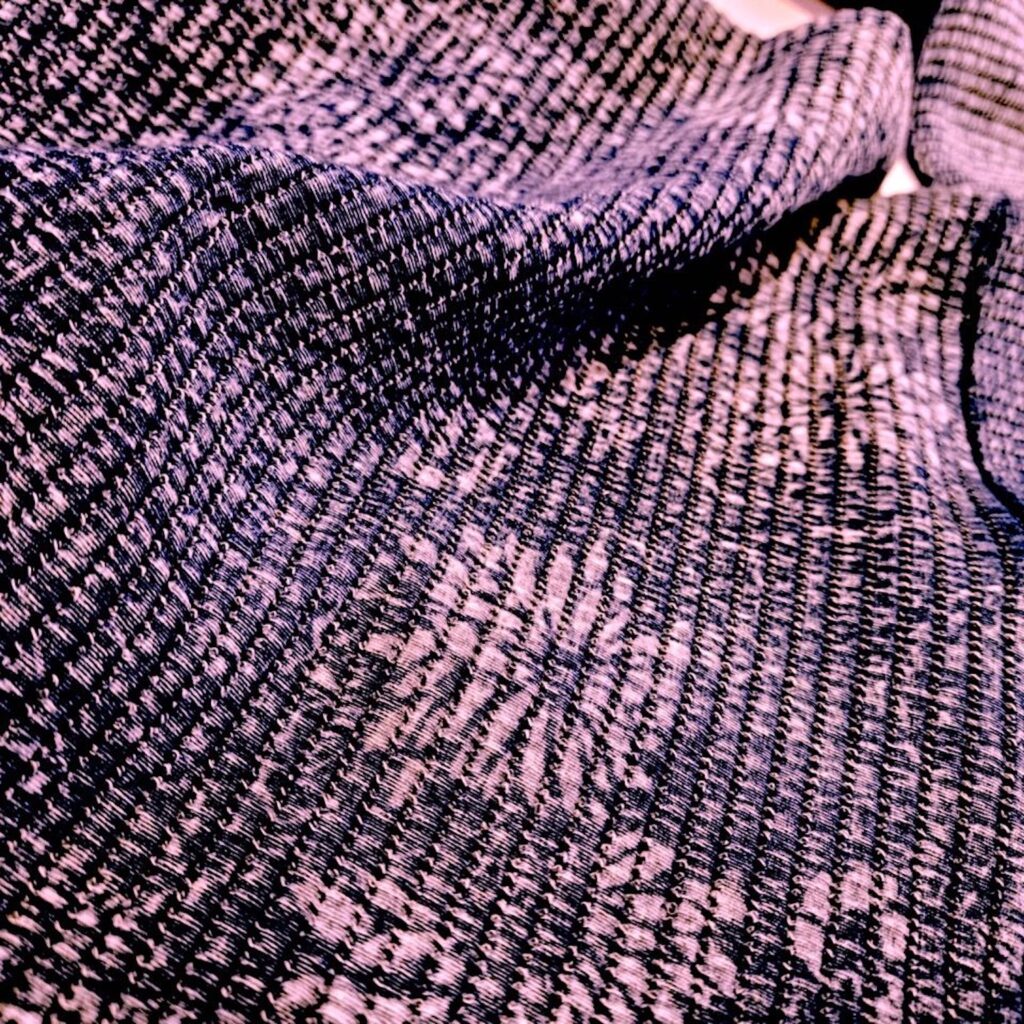
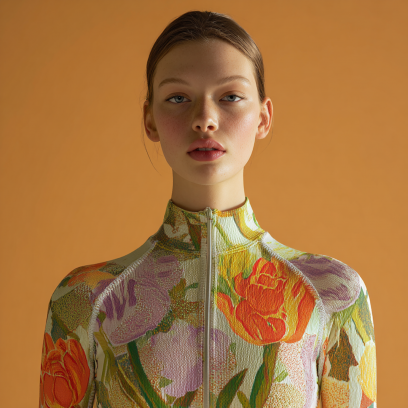
Seamless botanical knitwear sample, botanical performance knitwear floral structural design for fashion
First of all, botanical performance knitwear abandons traditional surface floral prints. Seamless knitting technology converts plant growth logic — petals, stems and cellular textures — directly into stitch construction. These engineered knits deliver expandable, compressive zones that move with the body, turning garments into dynamic, functional textile pieces.
Meanwhile, floral knit structures reimagine the symbolic meaning of flowers. Plants are naturally adaptive, protective biological systems; designers apply this logic to knitwear. The finished fabrics feature breathable panels, targeted stretch for bust and hip areas, and soft cushioning, combining delicate floral aesthetics with practical athletic performance.
Furthermore, botanical motifs have deep roots across global textile traditions, including European craft prints and Japanese kimono patterns. Today’s knit designers upgrade florals from simple decoration to core engineering elements, controlling stitch density and surface texture for better comfort. Eco-friendly plant-based pigments and bio-dyes enrich natural color palettes, making botanical performance knitwear fully aligned with sustainable fashion targets.
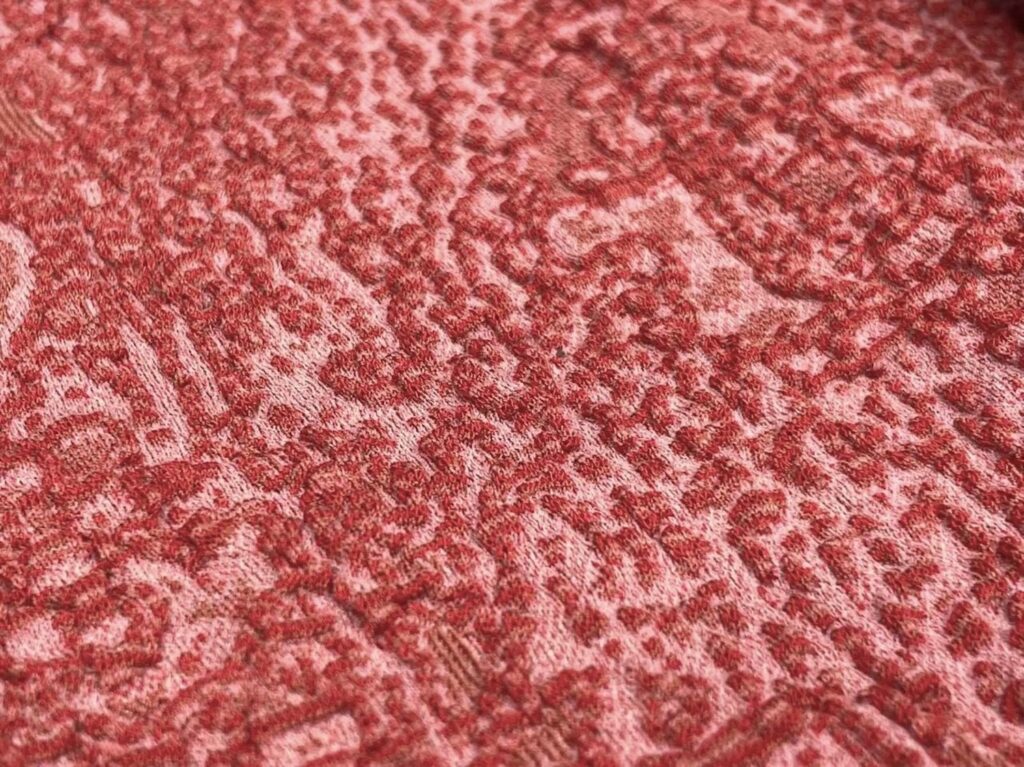
In addition, designers embed floral geometry into knit base structures rather than adding post-print patterns. Jacquard, pointelle and mesh techniques reference classic botanical art and microscopic plant forms to create organic graphic knit textures. Petal-shaped layers and blossom contours create sculptural volume in couture; sportswear adopts tucks and partial expansion for flexible, bloom-inspired seamless knit details.
To sum up, cross-field cooperation links floral art, museum archives and textile material research. Innovations like bio-derived dyes and cork fabric coatings further expand eco-friendly options for botanical performance knitwear, pushing the trend into mainstream fashion production.