
Newsletter Subscribe
Enter your email address below and subscribe to our newsletter
Enter your email address below and subscribe to our newsletter
Asian Knit
 By白色
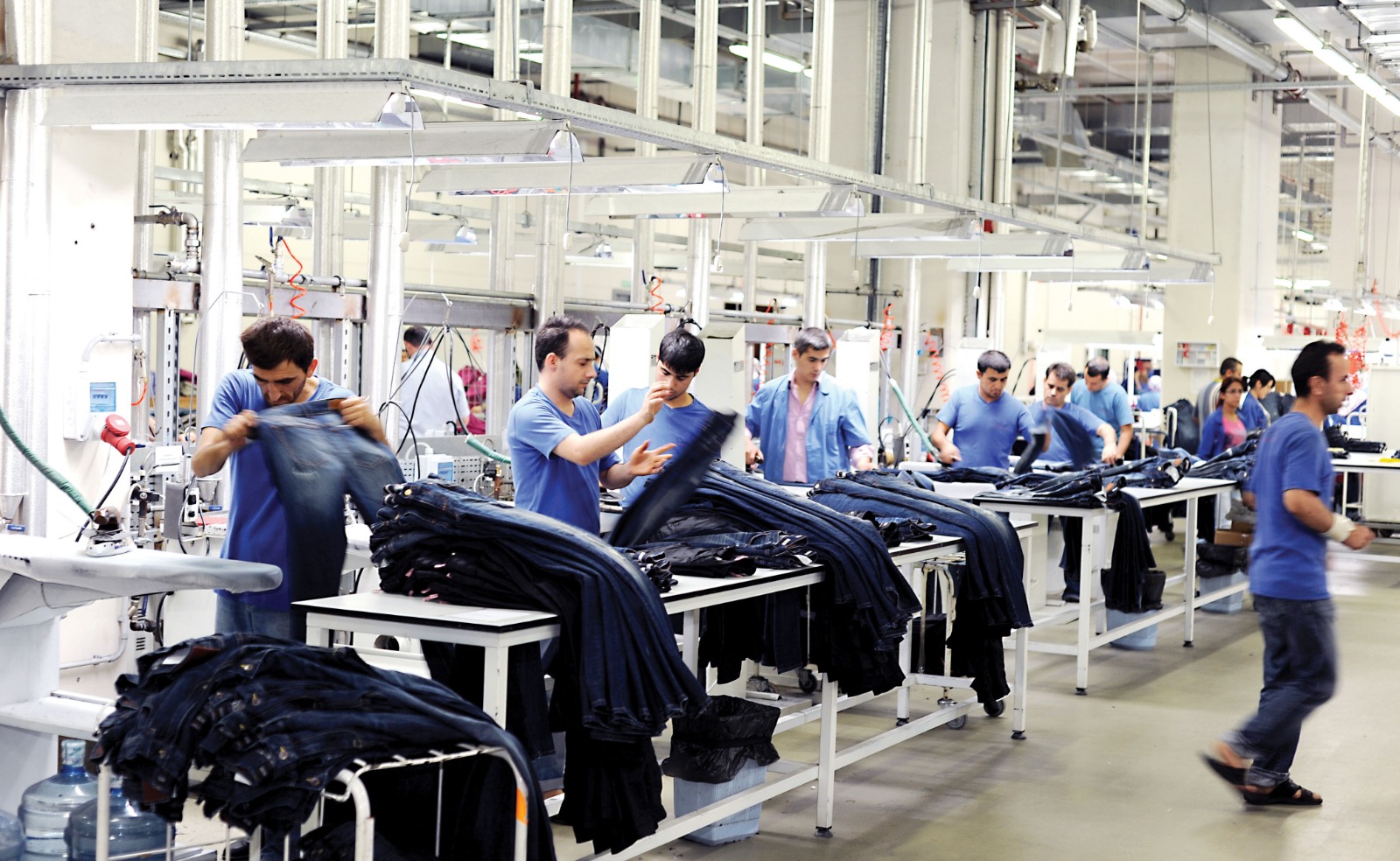
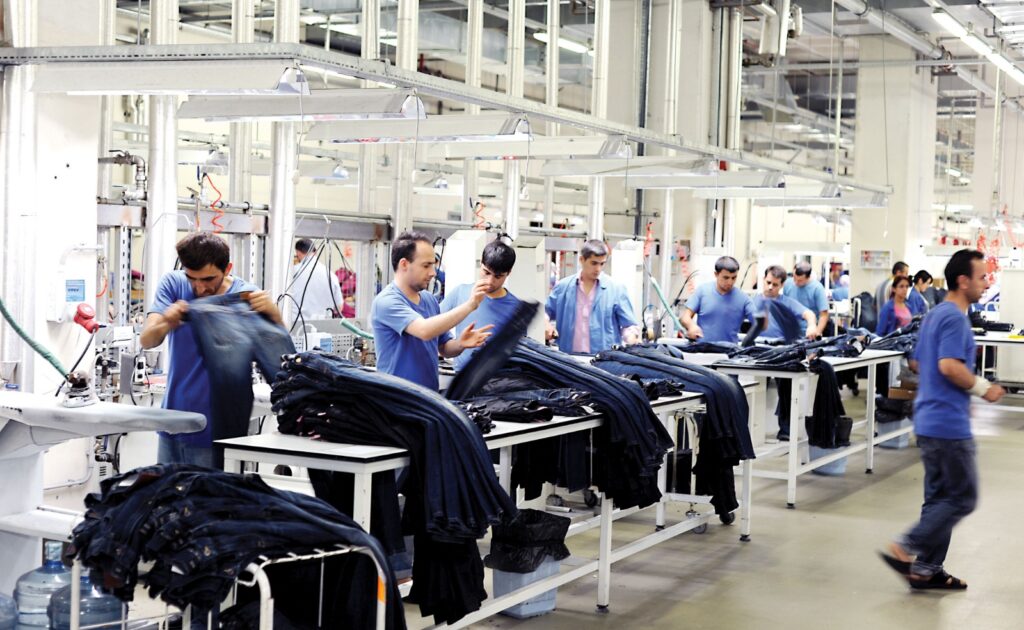
The India apparel production decline has now run for nine straight months. Apparel output contracted 5.6% year on year between April and September. It also slipped 5.2% in September alone, per official IIP data. Meanwhile, textile production moved in the opposite direction. It rose 17.4% in September and 13.1% over the first half of FY27.
wo different demand stories sit behind those headline numbers.
On the export side, US buyers simply ordered less. Shradha Saraogi, associate director at India Ratings and Research (Ind-Ra), noted that apparel demand in overseas markets has dipped slightly, especially in the US, and that lower American apparel imports have forced Indian manufacturers to cut production.
Furthermore, input costs drive much of this pressure. Shounak Chakravarty, director at Crisil Ratings, notes rising cotton and polyester prices lift garment costs. This hurts brands focused on the domestic market. Yarn prices climbed roughly 15% from April to September. In fact, fabric costs keep rising, but buyers refuse to accept price hikes. Therefore, brands cannot pass extra costs downstream. Inflation has weakened clothing demand, and payment cycles have slowed. Factories choose to cut output instead of taking losses.
Scale matters here too. Textiles carry a 3.27% weight in the IIP basket against 1.97% for apparel, while overall industrial output grew 6.7% in September and 6.8% in H1 FY27.
Upstream is where the momentum sits. Cotton yarn posted healthy double-digit export growth in H1 FY27, and the largely export-oriented home textile segment rebounded after tariff-related disruptions cleared, supporting fabric and textile production. Saraogi linked stronger yarn and fabric demand to higher supplies into China and Bangladesh as well as firmer domestic appetite for intermediate products.
The direction of travel is turning. Improving exports, wider market access through new trade agreements and early signs of a pickup in apparel orders all point to a gradual recovery in the months ahead. Chakravarty expects better US demand, the India–UK FTA and festive-season buying to support a modest rebound in the medium term. Vijaykumar Agarwal, chairman of Mumbai-based Creative Group, sees new FTAs opening routes to diversify export markets.
However, sourcing teams face a split market. Garment factories now have spare capacity. You can negotiate better pricing and lead times at this stage. Even so, yarn supply risks can push fabric costs higher fast. For the next two quarters, it is safer to separate fabric pricing from cut-and-sew orders. You should also maintain backup sourcing options in other countries.
If you are planning knitwear programmes across South and Southeast Asia, visit our Cambodia factory page to review capacity, MOQ and lead-time details.