Newsletter Subscribe
Enter your email address below and subscribe to our newsletter
Enter your email address below and subscribe to our newsletter
Asian Knit
 By白色
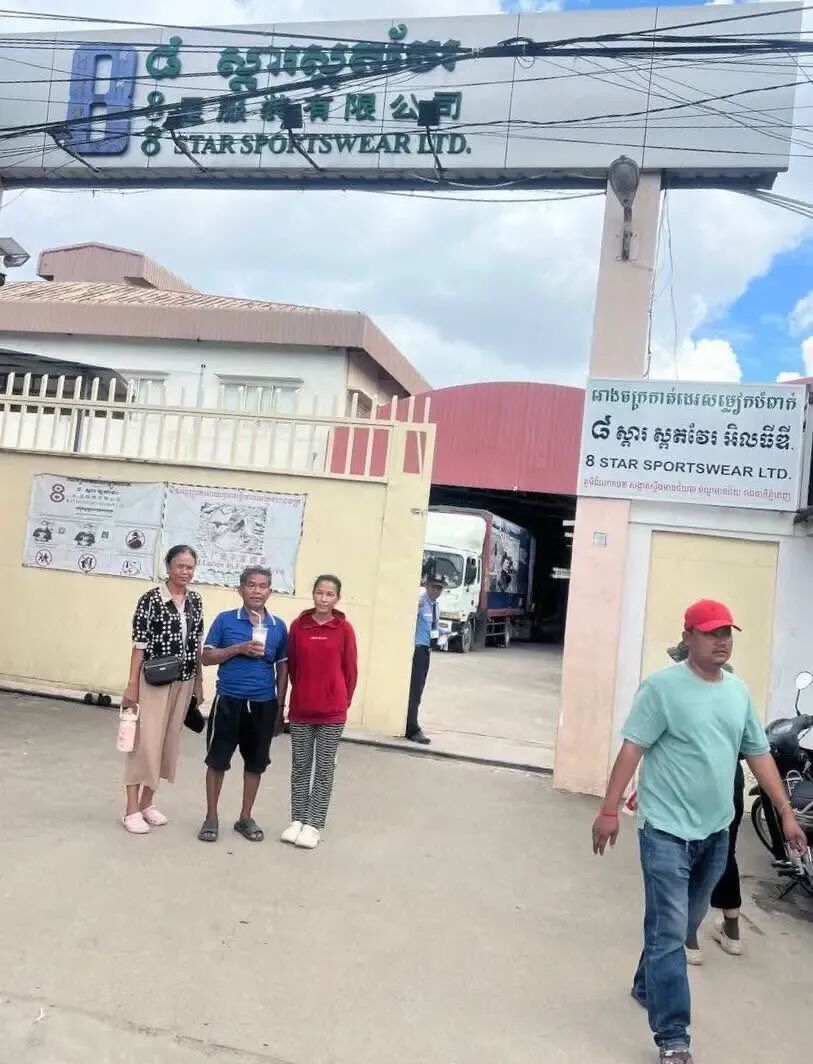
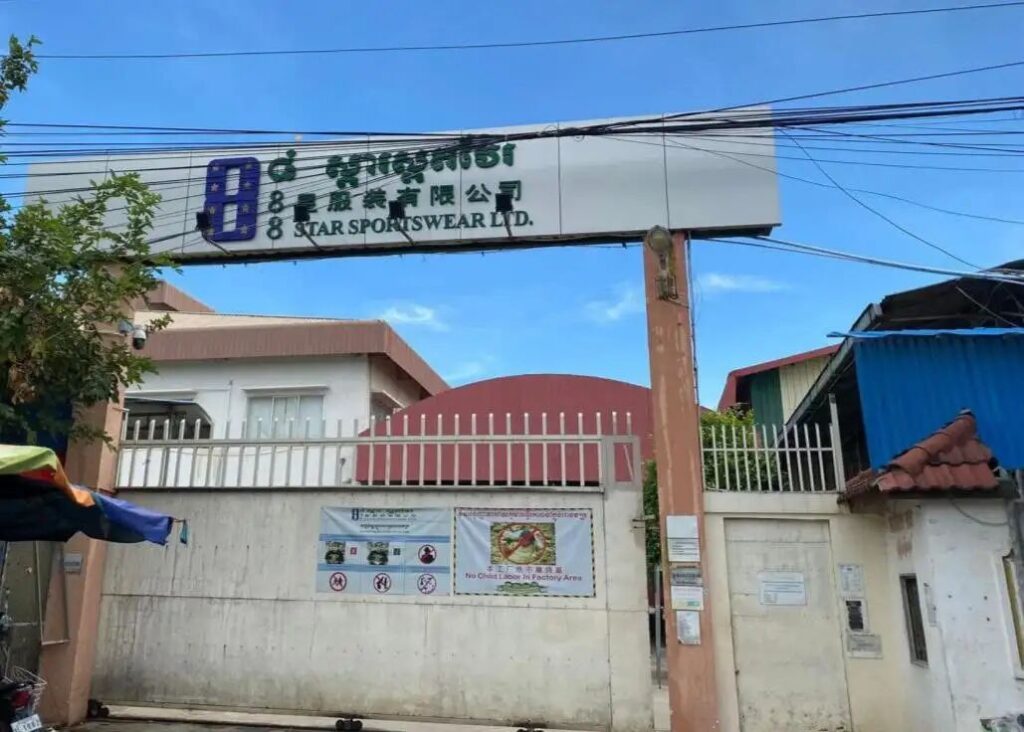
Cambodian garment factory closure draws wide attention within Southeast‑Asia apparel supply chains. 8 Star Sportswear Cambodia factory closure draws wide attention within Southeast‑Asia apparel supply chains. According to the Free Trade Union Federation of Cambodia (FTUFC) Facebook announcement, the over‑20‑year‑old knit‑wear manufacturer with more than 700 employees will permanently cease operations next January.
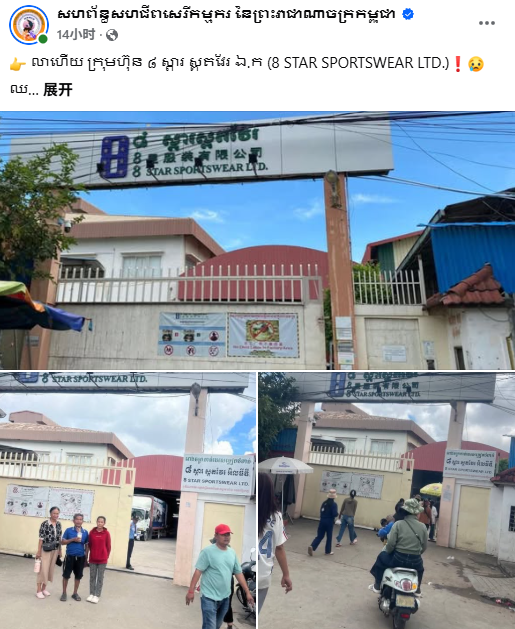
To start with, 8 Star Sportswear Ltd is headquartered in Phnom Penh. It mainly produces sportswear, T-shirts and other knit apparel and delivers OEM service for multiple international clothing brands. The plant has long supplied British retailer Primark and enjoyed duty-free access to the UK market.
Since the pandemic, incoming orders for the facility have kept declining. Even so, insufficient orders alone cannot fully explain the coming shutdown.
Furthermore, multiple macro headwinds weigh on local manufacturing. Sun Mesa, Spokesperson for Cambodia’s Ministry of Labour, shared in an interview that oil-price shocks, regional conflicts and Cambodia-Thailand border-related situations have contributed to failures across several local factories.
He nevertheless emphasised that Cambodia’s overall garment sector stays resilient. Nearly 50,000 enterprises operated during the first nine months of 2026, including close to 3,000 garment factories employing more than 1.3 million workers in total.
On top of official statements, industry insiders offer layered analysis on this closure case.
For one thing, independent labour expert Sokny holds a relatively positive outlook. She thinks skilled young workers can unlock new job chances. As China-US trade frictions intensify, more manufacturers from China and Vietnam are shifting production capacity into Cambodia.
“Some factory owners may close old workshops and build new ones,” she noted. “Low incoming orders may stem from brand concerns over non-compliant or substandard working-condition standards, resulting in no follow-up purchase orders.”
Meanwhile, Khun Tharo, Project Manager at labour-rights organisation CENTRAL, provided field-tracked figures. Their records document no fewer than five factory shutdowns within the first ten months of this year, affecting approximately 4,800 workers.
This Cambodian garment factory closure reflects the mounting pressure on local knitwear manufacturers.
All in all, the incident signals ongoing industry restructuring in Cambodia textile manufacturing. Old-established operating history no longer guarantees business survival; technical capability and compliance performance turn into core survival pillars for local factories.
As global buyer requirements keep evolving, local manufacturing sites need continuous upgrades to match international sourcing standards.
If you evaluate Southeast-Asia manufacturing partners, visit our **Cambodia factory page** to review factory audit and bulk-order support resources.