Newsletter Subscribe
Enter your email address below and subscribe to our newsletter
Enter your email address below and subscribe to our newsletter
Asian Knit
 By白色
By白色The Bangladesh garment industry is facing critical shifts as the country prepares to graduate from Least Developed Country (LDC) status. New international sustainability regulations are reshaping requirements for local apparel factories aiming to keep overseas buyer orders.
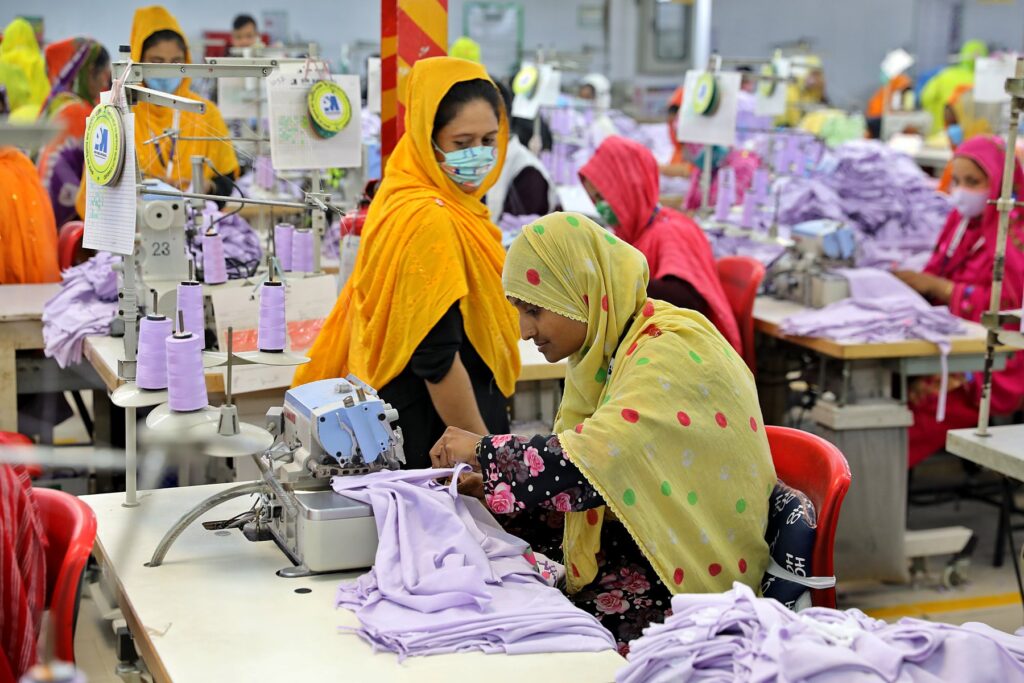
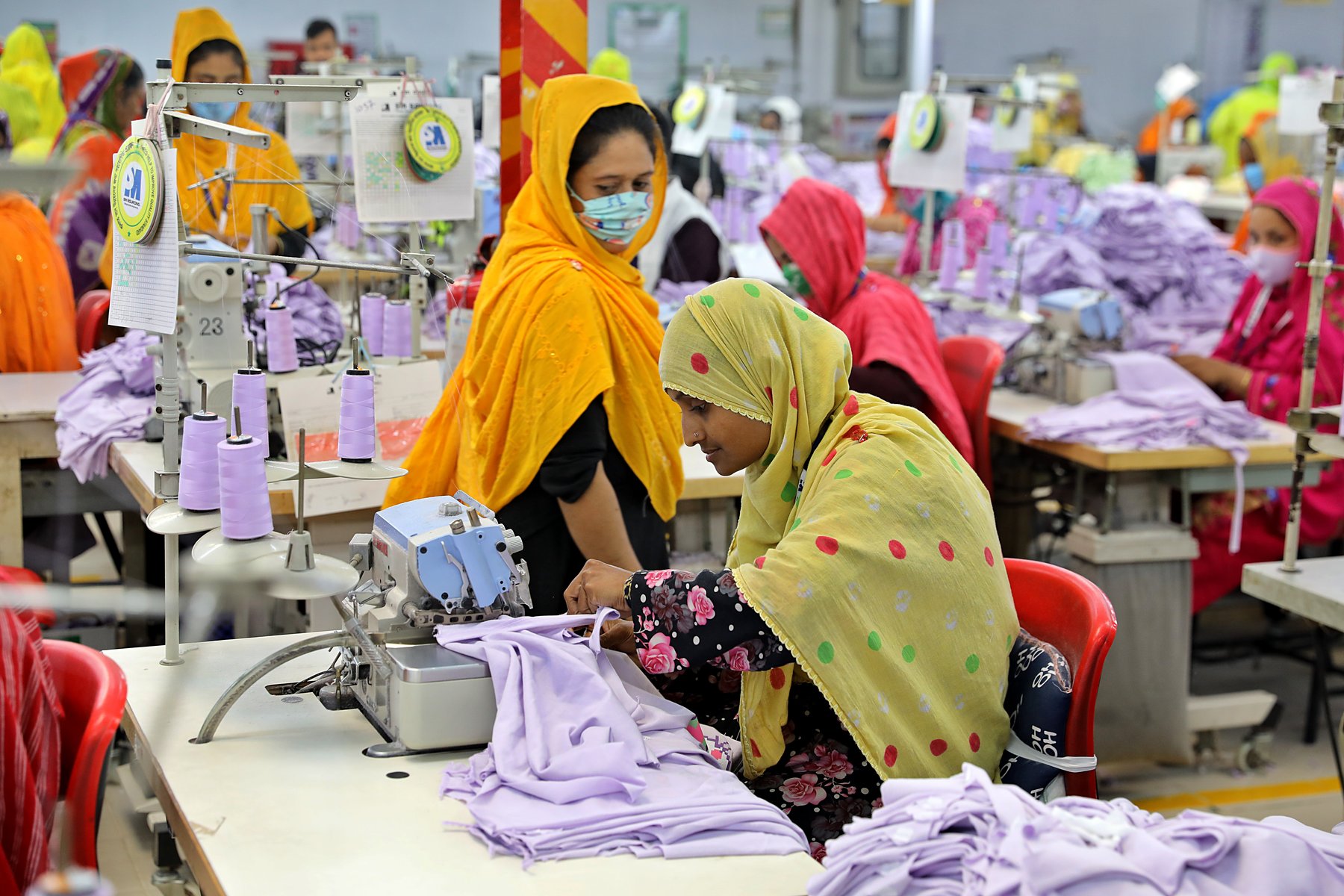
Bangladesh’s garment sector is under mounting external pressure driven by trade policy changes and global sustainability standards.
Once Bangladesh loses its LDC status, existing preferential tariff benefits will be adjusted. European Union and western brand buyers are enforcing stricter environmental and compliance rules for supplier factories. Factories lacking green production upgrades risk losing export market share.
New EU regulations including digital product passports, decarbonisation and supply-chain traceability create heavy transformation pressure. Factories without clean energy investment and transparent management systems may be excluded from international brand supply chains. Even established manufacturers need continuous capital input for facility upgrades.
Despite these challenges, proactive green transformation opens new competitive opportunities for qualified Bangladeshi apparel manufacturers.
Dutch government delegations and international development organisations are actively seeking cooperation with sustainable Bangladeshi facilities. Factories with solar energy systems, water-recycling infrastructure and international sustainability certifications can attract high-value European brand partnerships.
Furthermore, 4A Yarn Dyeing Ltd operated by TEAM Group serves as a key local reference example. This facility holds LEED Platinum certification and is the world’s first outerwear plant to sign the UN Fashion Industry Charter for Climate Action.
During a high-level Dutch delegation visit, senior officials praised its rooftop solar power plant, rainwater-harvesting system, fair-price shop and on-site childcare facilities. The two sides discussed potential collaboration covering clean energy, circular fashion, digital product passports and workforce development.
According to Afroza Shahin, Managing Director of TEAM Group, sustainability investment is no longer optional. Changing trade rules and energy-market pressures mean factories building greener capacity today will preserve their global market access tomorrow.
To sum up, when sourcing from Bangladesh, buyers need to distinguish between ordinary garment workshops and upgraded, sustainability-certified production facilities. LDC graduation plus EU regulatory updates will gradually screen out suppliers without environmental and social compliance credentials.
For buyers looking for stable OEM partners with mature compliance and sustainable production standards, visit our **garment manufacturing factory page** to explore our production capacity and service offerings.